Skincare
Best Moisturizer for Dehydrated Skin: How to Choose
October 10, 2026 · 5 min read
1. Work out what you need before choosing a cream
Dry skin generally refers to a lack of oil, while dehydration refers to a lack of water. You can experience both, and oily skin can also be dehydrated. That makes “my skin looks shiny” an incomplete reason to skip moisturizer. Equally, tightness after washing doesn't automatically mean you need the richest formula available. Treat these distinctions as useful shopping context rather than a way to diagnose your skin from a single symptom.
Before replacing your moisturizer, notice when discomfort happens. Is it immediately after cleansing, after using an exfoliant, or later in the day? Have you introduced several new products together? Write down those changes so you aren't asking one cream to compensate for a routine that may be irritating your skin. Our guide to why skin gets dry when the weather changes provides seasonal context. Persistent burning, cracking, or a rash is a reason to seek professional advice, not keep experimenting with increasingly elaborate purchases.
2. Make face versus body your first shopping filter
Check the intended application area before comparing ingredients or bottle sizes. A product described as a body moisturizer should be evaluated as body care; a familiar ingredient doesn't establish that it's suitable for your face. If facial dehydration is your concern, look for explicit facial-use directions and review the complete formula. Don't assume a large body-lotion bottle is a shortcut to a facial routine just because the cost per ounce might look appealing.
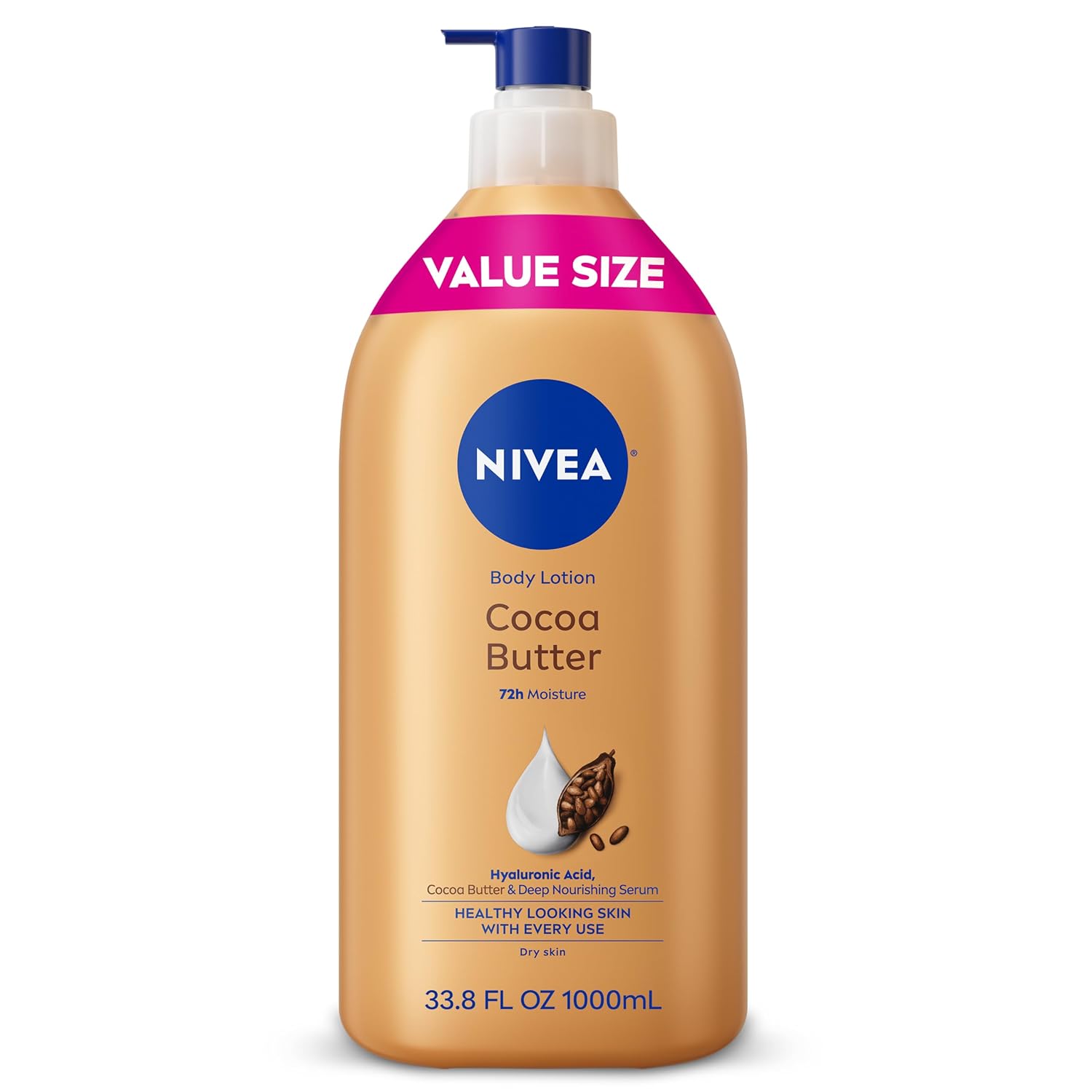
The moisturizer documented here is NIVEA Cocoa Butter Body Lotion, 33.8 fl oz, a daily body moisturizer for dry skin containing cocoa butter and hyaluronic acid. It comes in a pump bottle. Those details make it a body-care option to consider, but they don't establish it as the best moisturizer for dehydrated facial skin. We don't have a documented facial moisturizer comparison to support that recommendation. Keeping those two shopping decisions separate is more useful than presenting a body product as an all-purpose answer.
3. Read beyond the ingredient on the front
Ingredient categories help explain moisturizer labels. Humectants, including glycerin and hyaluronic acid, attract water; emollients help soften skin; occlusive ingredients help reduce moisture loss. These are general ingredient functions, not proof of how a particular finished product performs. Seeing one recognizable ingredient doesn't tell you its concentration, how the whole formula feels, or whether your skin will tolerate it. Use the headline ingredient to begin your research, not end it.
Next, check the full ingredient list against any sensitivities you already know about. If fragrance is something you avoid, verify the formula rather than relying on reassuring packaging language. Likewise, don't infer “non-comedogenic,” “fragrance-free,” or suitability for sensitive skin from an ingredient associated with hydration. The available NIVEA description confirms cocoa butter and hyaluronic acid, but not those additional attributes. When an important detail is missing, consult the manufacturer's current information before buying. An unanswered question is not a reason to assume the most favorable answer.
4. Choose a texture that fits your morning and your clothes
Texture matters because you have to live with the product, not simply admire its ingredient list. A lighter-feeling formula may appeal if you dislike a heavy finish; a richer texture may feel preferable when your skin feels dry. Neither preference establishes better hydration performance. For facial care, consider how the moisturizer fits alongside sunscreen and makeup. Notice whether the combination feels comfortable and whether products roll into little flakes, rather than changing everything after one rushed morning.
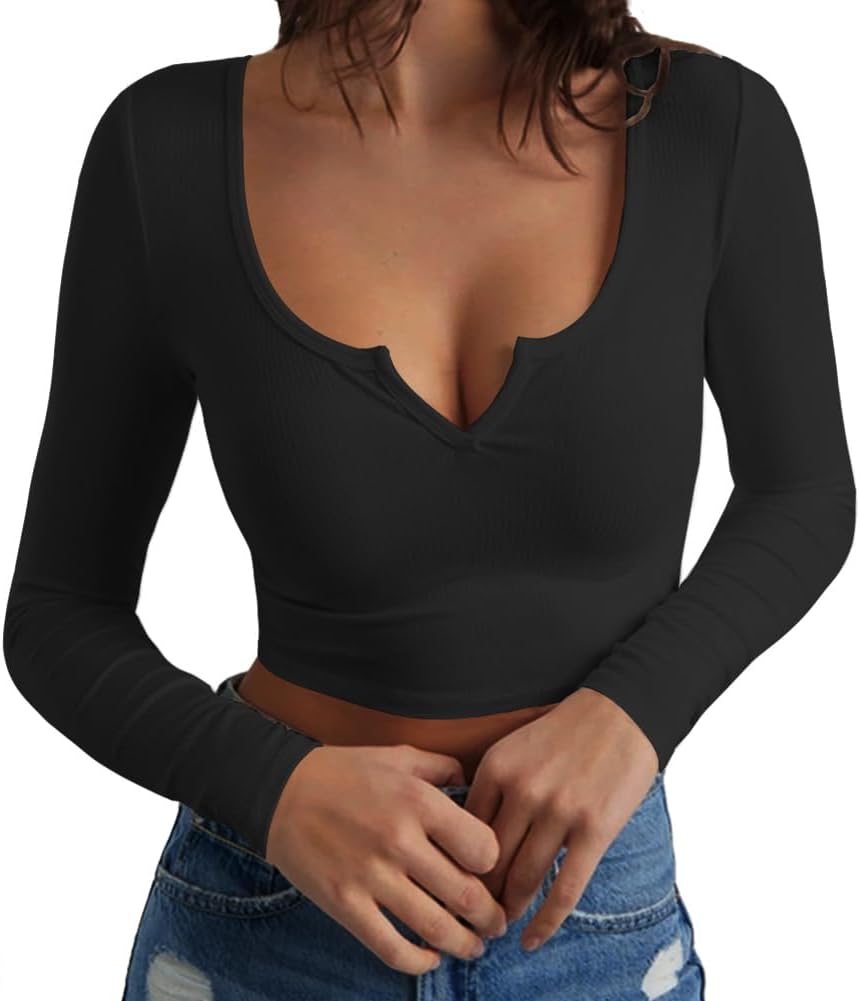
For body care, think about the interval between moisturizing and dressing. A fitted layer such as the Artfish Long Sleeve Scoop Neck Ribbed Crop Top gives you a different getting-dressed context from loose clothing. If you dislike the sensation of freshly applied lotion beneath close-fitting sleeves, assess that during an ordinary morning. The point isn't that the top changes hydration; it's that your moisturizer should work within the routine you actually follow.
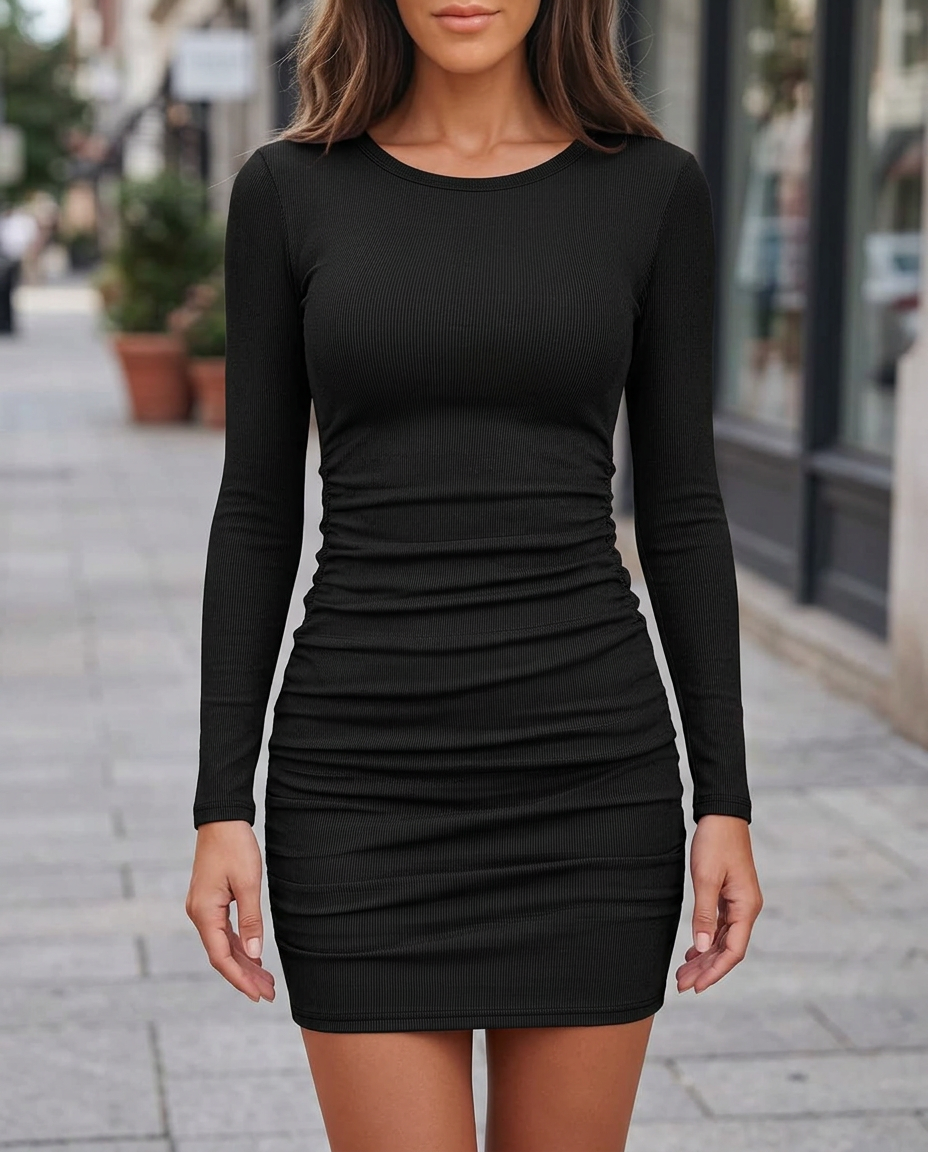
The same practical check applies before wearing the ANRABESS Long Sleeve Ruched Ribbed Knit Mini Dress, which has a fitted ribbed-knit shape. Follow your moisturizer's directions and assess how its finish feels before dressing. Neither clothing item is a skincare recommendation, and the supplied lotion description doesn't establish absorption speed or transfer resistance. Those are things to verify rather than promise.
5. Judge the available body lotion on confirmed details
If your goal is a daily body moisturizer for dry skin, the NIVEA option has a clearly stated use and format: a 33.8 fl oz pump bottle with cocoa butter and hyaluronic acid in the formula. Consider whether that size fits your bathroom space and whether a pump is the format you want. The description places it in an after-shower or whenever-skin-feels-dry routine, but doesn't provide a complete application protocol; follow the package directions.
What we cannot establish is equally important. The supplied information doesn't include a current price, comparative testing, fragrance details, or a measured duration of hydration. It therefore doesn't support calling this lotion the cheapest, fastest-absorbing, longest-lasting, or best for sensitive skin. A large bottle also isn't automatically better value if you don't yet know whether you'll enjoy using it. For help putting a body moisturizer into a broader routine, read our fall body-care guide. Keep the purchase tied to its documented purpose rather than a universal promise.
6. Buy with a checklist, then change one thing at a time
Before checkout, answer five questions: Is the product intended for your face or body? Can you access its full ingredient list? Does it avoid ingredients you already know cause problems for you? Is its texture one you're willing to use regularly? Do the current price and size suit your budget and storage? If you're uncertain about texture, a sample or smaller size can be worth seeking where available. Don't assume either option exists for a particular product without checking.
Introduce one new product at a time so it's easier to notice what agrees with your skin. Trying a small area first can reveal obvious irritation, although it doesn't guarantee tolerance everywhere. Stop using a product that irritates you and seek medical advice for persistent or worsening symptoms. Our guide to switching skincare from summer to fall is useful when several parts of your routine need review. The best choice is a moisturizer matched to your needs with clear supporting information—not an unsupported winner. Here, we can identify a documented dry-skin body lotion, but cannot responsibly name a best facial pick.
Get The Qute Edit
Drop your email for a hello from Look Qute and reminders about the pieces you save.
Shop the story
 New
mini
ANRABESS Long Sleeve Ruched Ribbed Knit Mini Dress
The ruched little black dress for nights out.
 New
body
NIVEA Cocoa Butter Body Lotion, 33.8 fl oz
Cocoa butter comfort for your everyday body-care routine.
 New
blouses
Artfish Long Sleeve Scoop Neck Ribbed Crop Top
A slim ribbed basic with a scoop neck and V notch.