Beauty
Beauty Tools and Accessories: What to Buy and What to Skip
October 27, 2026 · 6 min read

1. Give every tool a specific job
Before browsing, write down the steps you actually do: apply makeup, arrange your hair, care for your nails, or get dressed after body care. Beside each step, note what you already use and what, if anything, feels awkward. “I need a way to apply this particular product” is a useful shopping brief. “I should own more beauty tools” isn’t. You’re looking for a missing function, not a fuller drawer.
Separate tools from formulas and supporting accessories. A body lotion is a formula; an applicator is a tool; a storage pouch is an accessory. That distinction matters when comparing a bundle with individual purchases. Count the pieces that answer your brief rather than treating every included item as equally useful. If you cannot explain when you would reach for something, leave it off the first shopping list.
Your preferred look should also shape the list. If you like the approach in our five-minute, zero-brush makeup guide, don’t assume a large brush collection is the necessary next step. Read through the routine you want to follow, check its application directions, and identify any actual gaps before buying equipment.
2. Compare individual pieces before committing to a set
For a makeup brush, sponge, comb, or nail accessory, begin with the listing’s stated purpose. Does it match the task you wrote down? Then look for clear dimensions, care instructions, and an explanation of what is included. A photograph alone cannot settle whether a handle will suit your grip or an item will fit your storage. If the information is missing, treat it as an unanswered question rather than filling the gap with an assumption.
For sets, make a short inventory of the contents and mark each piece “use now,” “possibly later,” or “duplicate.” Compare the set with buying only the use-now pieces, using the current prices shown by the seller. Don’t assume either route is cheaper. Also check whether the pictured case, stand, or other accessory is actually included; styling in a product image is not the same thing as a contents list.
Keep your preferred application method in view. Our blurred-lipstick guide for beginners is a useful place to think through the look you want before expanding your kit. Choose a technique first, then decide whether it calls for another tool. Buying a complete matching collection does not have to be the starting point.
3. Make care and storage part of the purchase decision
Read the manufacturer’s cleaning, drying, storage, and replacement guidance before purchasing. Different items may have different instructions, so avoid building your plan around one universal cleaning method. Ask yourself where you would carry out the required care and where the item would stay afterward. If the instructions are unclear, seek clarification rather than assuming that soaking, heat, or a particular cleaner is suitable.
Measure the drawer, shelf, or pouch you plan to use, then compare those measurements with the listing. Think about the item in its stored state, including any cap, case, cable, or stand that the listing specifies. For a powered tool, check the stated power requirements and operating instructions as well. Keep those checks separate from appearance: a color that matches your bathroom does not answer a practical compatibility question.
Start your storage plan with what you own. Lay everything out and group it by the way you use it, then decide whether an organizer is needed at all. If you do buy one, verify its dimensions and care guidance. Choose compartments for your actual items, not hypothetical future purchases, and leave out duplicates you have already decided not to keep.
4. Keep body-care products separate from tool purchases
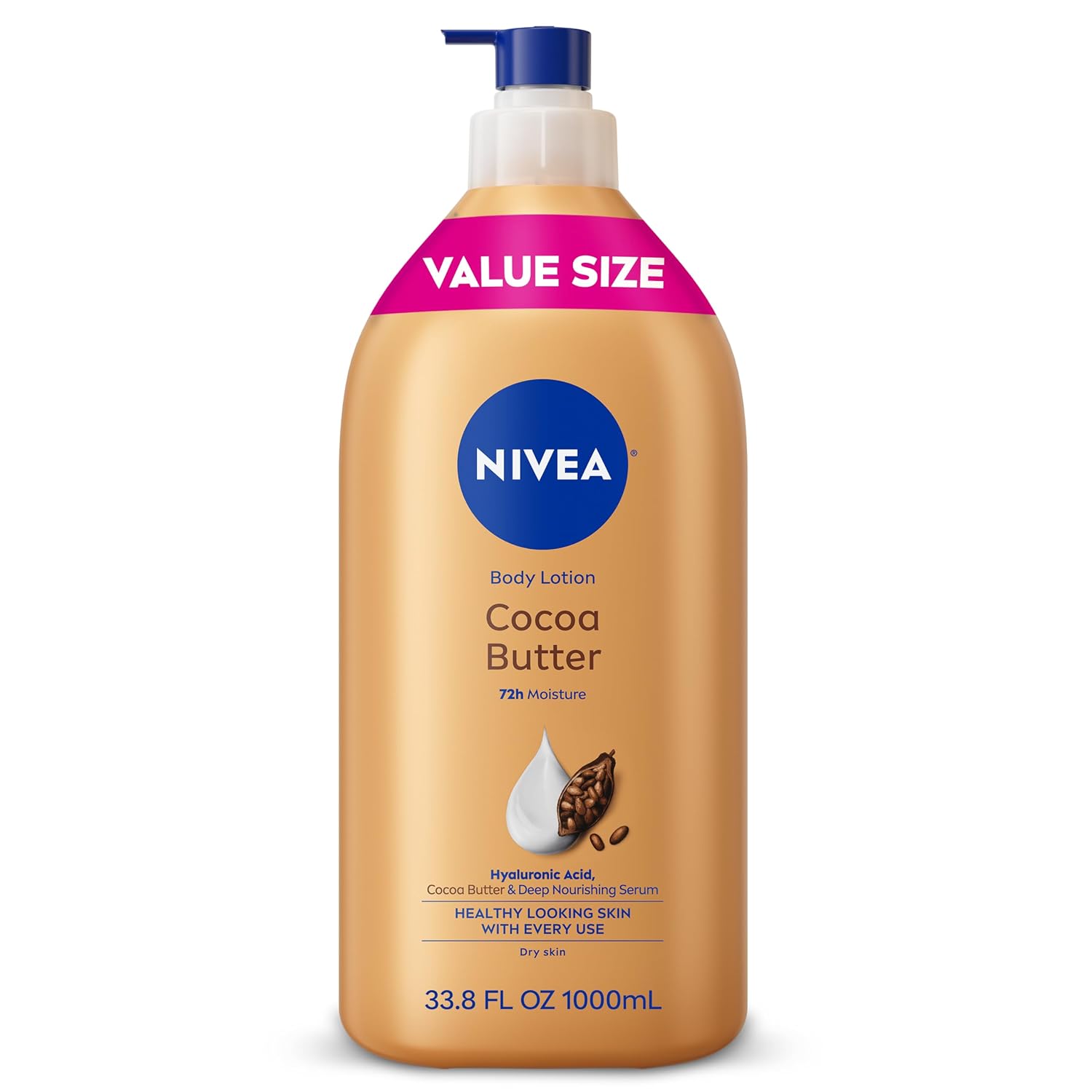
A getting-ready routine can include useful products that are not beauty tools. For example, NIVEA Cocoa Butter Body Lotion, 33.8 fl oz is a daily body moisturizer for dry skin. The listed pump bottle contains a cocoa butter and hyaluronic acid formula. Consider it when shopping for body moisturizer, not as a substitute for an applicator or another accessory you were specifically seeking.
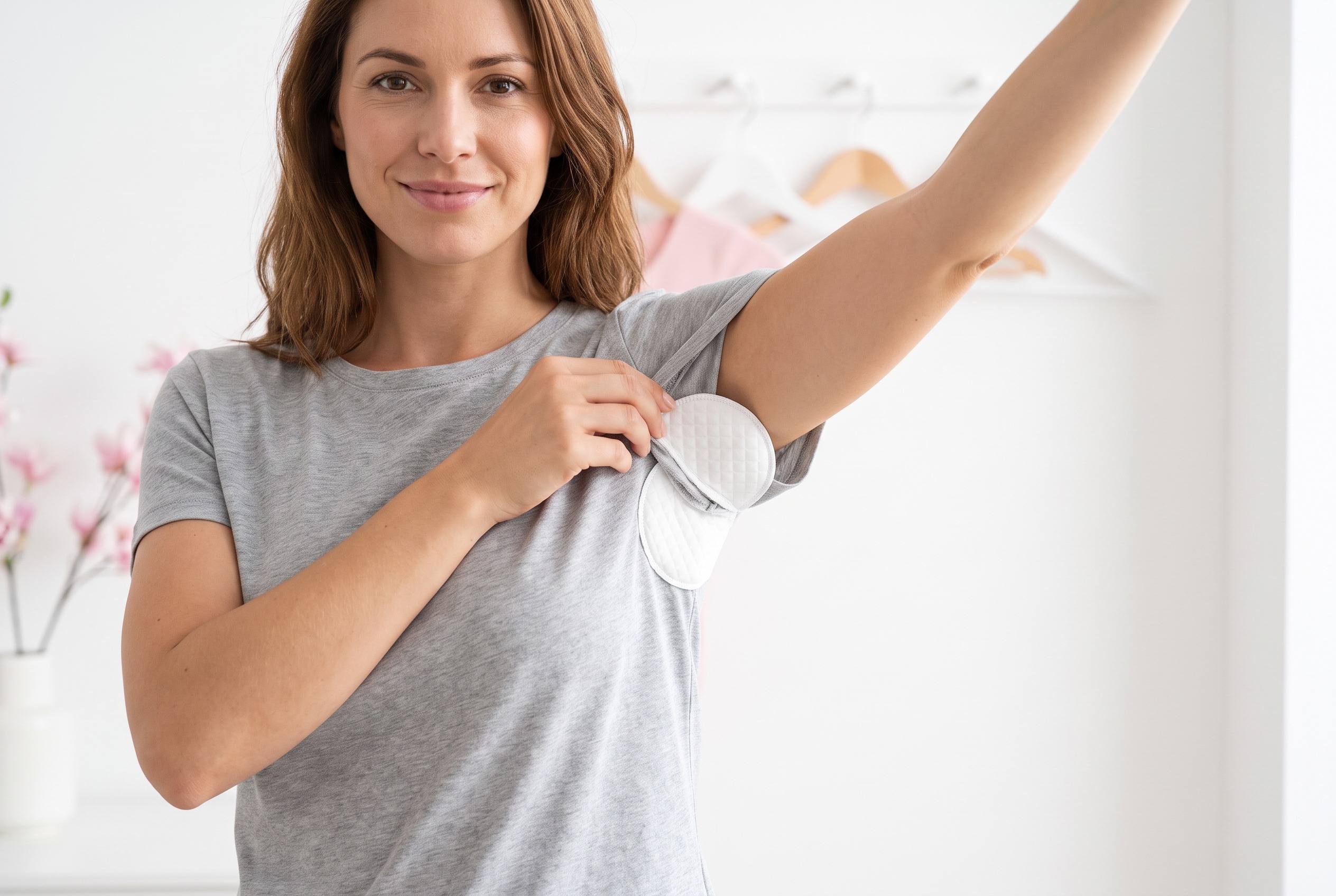
The distinction also applies to LARUOOUU Armpit Sweat Pads for Women. These disposable underarm shields attach inside clothing to help absorb moisture before it reaches the outer fabric. The selected listing is a 100-count pack of white, contoured pads. They belong in a clothing-preparation decision rather than a makeup-tool comparison.
Give these purchases their own questions. For lotion, decide whether you want the listed format and quantity. For the pads, read the application directions and check whether the intended use suits the garments you have in mind. Don’t extend the descriptions into promises about tool performance, odor control, or suitability for every fabric. A product should earn its place for the purpose its listing actually describes.
5. Plan your carry-out kit separately from your home setup
What you use at home and what you want to carry are two different lists. Before shopping for a beauty pouch, set out the exact items you want to take with you. Include their caps or protective cases when measuring them. Decide whether you want a separate pouch inside your everyday bag or an accessory carried on its own, then check the candidate’s stated dimensions and contents guidance.
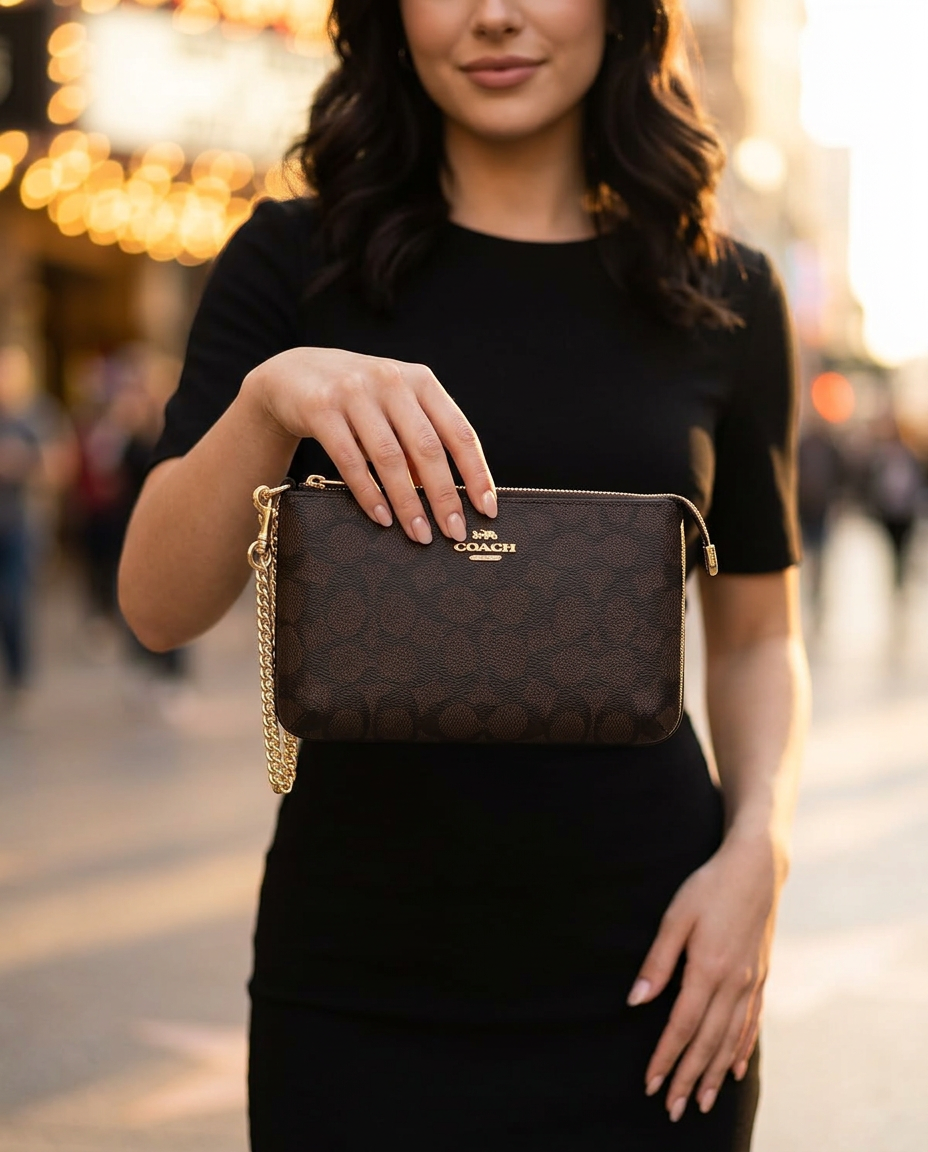
Avoid treating every small fashion bag as beauty storage. The Coach Large Wristlet with Chain is described as a large signature wristlet with a gold chain wrist strap that holds a phone and cards. That makes it relevant to planning what you carry when you leave the house, but the supplied description does not establish capacity for your cosmetics or tools.
If you want one accessory to carry both personal essentials and beauty items, verify the full fit before buying. Don’t infer a washable lining, protective compartments, or spill resistance from the exterior. You may prefer to keep your phone-and-card accessory separate from your beauty pouch; make that choice around the items you carry rather than asking an attractive bag to meet unconfirmed requirements.
6. Use a final checklist before you buy
Review each shortlisted item against five questions: What will I use it for? Do I already own something for that task? Are its dimensions and instructions clear? Where will I keep it? Am I comfortable with its care requirements? An unanswered question is a reason to pause and investigate, not necessarily a reason to reject the item. The aim is a considered purchase, not a perfect-looking collection.
Read the seller’s return terms before ordering, particularly any conditions concerning opened beauty items. Keep the listing information and order details so you can compare what arrives with what was described. When it arrives, check the contents and instructions before use. If something differs from the description or appears damaged, contact the seller rather than improvising a solution.
Build the kit in stages. Buy for a routine you already follow, then reassess after you have used the purchase as directed. Our guide to building a useful wishlist offers a place to park the maybes instead of adding them all to one order. A sensible stopping point is simple: every item has a job, a place, and a care plan you are willing to follow.
Get The Qute Edit
Drop your email for a hello from Look Qute and reminders about the pieces you save.
Shop the story
 New
body
NIVEA Cocoa Butter Body Lotion, 33.8 fl oz
Cocoa butter comfort for your everyday body-care routine.

 New
body
LARUOOUU Armpit Sweat Pads for Women — 100 Count
A discreet extra layer between underarm moisture and your outfit.